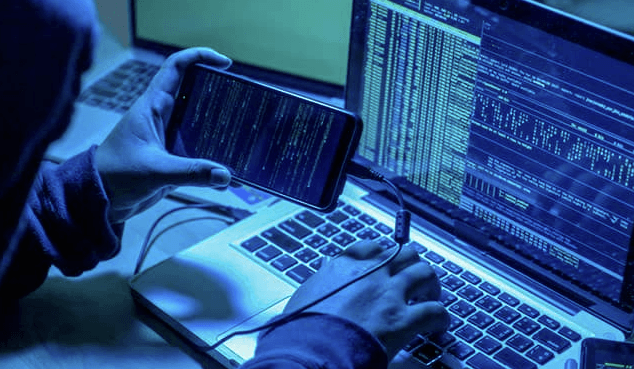
Online wallets act as interfaces between users and blockchains, storing keys and authorizing transfers. They face malware, phishing, and device compromises that can steal credentials or erase control. Software fixes have limits; failures often reflect user behavior, supply chains, or exploit surfaces beyond technical patching. A layered approach—strong authentication, timely updates, cautious practices, and transparent incident disclosure—appears essential. The question remains: how resilient are these layers when risk vectors evolve and devices converge with new threats?
What Online Wallets Do and What Can Go Wrong
Online wallets provide a digital interface to store, manage, and transact with cryptocurrency or digital assets, acting as a bridge between users and the blockchain. They function as interfaces, not guarantees.
The analysis highlights online wallets’ core duties, outlines risk assessment frameworks, and notes that cybersecurity training and clear user responsibilities are essential safeguards against inherent, evolving threats and misconfigurations.
How Malware, Phishing, and Device Compromises Hit Wallets
Malware, phishing schemes, and device compromises represent concrete channels through which digital wallets can be exposed to risk, illustrating how theoretical safeguards meet real-world adversarial tactics.
The analysis remains skeptical about simplistic defenses, highlighting malware vectors and phishing scams as persistent threats.
Trust should be conditional, contingent on layered controls, rapid incident response, and transparent disclosures rather than overconfidence in single protections.
Limits of Tech Fixes: Where Software Fails and What to Do
Does technology offer a reliable cure-all for wallet security, or do fundamental limits persist even under layered defenses? Software fixes address surface flaws but miss systemic risks; interfaces, user behavior, and supply chains introduce residual vulnerabilities.
Security tradeoffs constrain perfection, while risk perception shapes responses. Engineers caution against overconfidence, urging layered, transparent controls and disciplined risk management, not magic.
Best Practices to Stay Safe: Authentication, Updates, and Habits
A disciplined approach to wallet safety centers on authentication rigor, timely updates, and user habits that reduce attack surface. In practice, robust authentication habits and disciplined software updates form a minimal, defensible baseline.
Vigilance remains essential: defenses hinge on deliberate routines, skepticism toward overconfidence, and continuous verification.
Freedom-seeking users should demand transparency, resist risky shortcuts, and treat safeguards as ongoing obligations rather than optional enhancements.
Frequently Asked Questions
How Do Legal Regulations Protect Online Wallet Users?
Regulatory compliance safeguards exist, though effectiveness varies; legal oversight enforces disclosures, antifraud measures, and capital requirements. User privacy protections are promised but uneven in practice, inviting scrutiny about data handling, consent, retention, and cross-border access for freedom-minded users.
Can Social Engineering Affect Non-Custodial Wallets?
“Like a mirror reflecting risk,” social engineering can affect non-custodial wallets through trusted-channel manipulation and compromised endpoints. The analytical view remains skeptical: phishing awareness is essential, yet intrinsic security gaps persist, challenging a freedom-seeking user to stay vigilant.
What Are Insurance Options for Online Wallet Losses?
Insurance options exist but are limited and inconsistent for online wallet losses. The analysis notes insufficient coverage and gaps in fraud liability, prompting skepticism about whether policies adequately protect freedom-seeking users against systemic risk.
Do Offline Backups Fully Prevent Wallet Theft?
A hypothetical case shows offline backups cannot fully prevent wallet theft; attackers may exploit hidden keys or social engineering. While offline backups mitigate risk, they do not guarantee security, since wallet theft can occur through hardware compromise or contingency failures.
See also: Smart Grid Technology Explained
How Does User Behavior Impact Wallet Risk Exposure?
User behavior significantly modulates risk exposure, with non custodial wallets intensifying effects; cautious routines reduce social engineering susceptibility, while lax practices exacerbate it, yielding a skeptical but freedom-focused assessment of how user actions shape overall risk.
Conclusion
Online wallets expose users to multifaceted risk, and technology alone cannot guarantee security. They hinge on interfaces, behaviors, and supply chains as much as cryptographic strength. Threats evolve—malware, phishing, device compromises, and social-engineering persist. Safeguards exist, yet gaps remain: software updates, vigilant authentication, disciplined habits, transparent disclosures. Therefore, resilience requires layered defenses, continuous assessment, and disciplined practice. In sum, risk persists, defenses adapt, and accountability matters more than optimism.