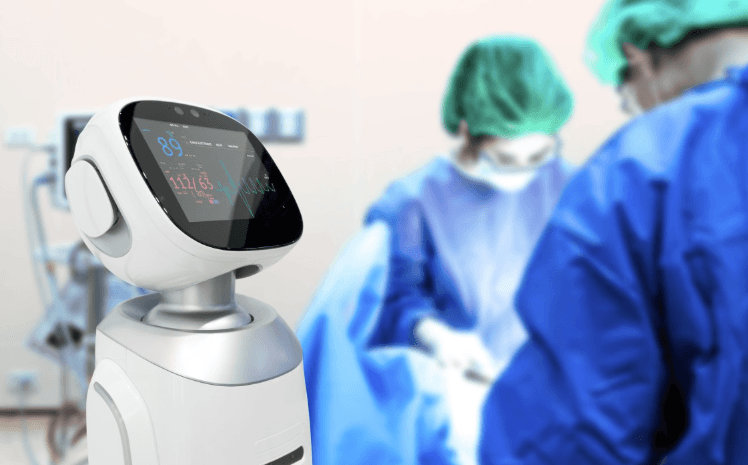
Smart Healthcare Systems deliver timely, accurate data to clinicians and patients through standardized, interoperable data flows. They rely on enterprise-grade security, governance, and privacy controls to support compliant care. Core technologies enable scalable analytics, remote monitoring, and decision support. Interoperability standards and robust architectures ensure traceability across settings—from clinics to homes. Real-world deployments, wearables, and remote monitoring drive continuous quality improvement. The implications for care delivery are clear, but the path to widespread adoption remains complex and evolving.
What Smart Healthcare Systems Do for Patients
Smart healthcare systems enhance patient outcomes by delivering timely, accurate data to clinicians and patients alike, enabling proactive care and reduced hospital visits. This approach standardizes data flows, supports interoperable records, and aligns with governance frameworks. Patient empowerment emerges through transparent alerts and actionability, while data driven diagnostics enable precise decision support and personalized care pathways within enterprise-grade security and compliance mandates.
Core Technologies Behind Smart Healthcare
Among the core technologies, interoperability standards, data architectures, and secure communication protocols form the backbone of smart healthcare systems.
The discussion emphasizes authoring standards and data stewardship as governance levers for reliability, traceability, and compliance.
Data models, metadata, and lifecycle management enable scalable analytics, interoperability, and policy adherence while preserving clinician autonomy and enterprise interoperability across heterogeneous IT environments.
Interoperability, Security, and Privacy in Action
Interoperability, security, and privacy are operationalized through concrete, standards-based practices that translate governance concepts into actionable controls across heterogeneous health IT environments.
Data-driven assessments reveal interoperability challenges and measurable risk reductions through policy-aligned exchanges, encryption, and access governance.
Privacy by design remains central, enabling enterprise-wide trust while enabling innovation, scalability, and freedom to integrate diverse systems with auditable, repeatable security controls.
From Clinics to Homes: Real-World Use Cases and Outcomes
From clinics to homes, real-world deployments demonstrate how standardized, interoperable health IT ecosystems translate clinical guidelines into measurable outcomes across care settings.
Enterprises analyze telemedicine reimbursement trends, device-driven workflows, and remote monitoring efficacy against benchmarks.
Wearables data integration supports proactive interventions, reduces readmissions, and improves adherence.
Compliance, governance, and scalable architectures ensure consistent quality while preserving patient autonomy and freedom of choice across ecosystems.
Frequently Asked Questions
How Affordable Are Smart Healthcare Solutions for Low-Income Families?
The analysis indicates affordability for low-income families varies, with affordable barriers mitigated by subsidy models; adoption depends on scalable financing, policy alignment, and standardization, enabling enterprise-backed solutions that preserve freedom of choice while reducing cost burdens and improving access.
What Training Is Needed for Clinicians to Use These Systems?
Coincidence marks the moment clinicians navigate training requirements for smart systems, revealing formal curricula, hands-on simulations, and governance standards. The data-driven view emphasizes standardized modules to ensure user adoption, with training requirements balancing autonomy, compliance, and enterprise-scale deployment.
How Is Data Ownership Determined Between Patients and Providers?
Data ownership is typically defined by applicable laws and contracts, balancing patient rights with provider responsibilities; data ownership may reside with patients, but access, control, and stewardship are often governed by enterprise data governance, consent, and privacy standards, patient rights emphasized.
See also: Smart Grid Technology Explained
Do Smart Systems Support Emergency Medical Decision-Making Remotely?
Remote monitoring-enabled systems can support emergency medical decision-making remotely, leveraging real-time data and standardized rules. Decision support tools assist clinicians, promoting timely, data-driven actions within secure, interoperable frameworks aligned with enterprise governance and patient-centered freedom.
What Are the Long-Term Environmental Impacts of Deployed Devices?
Long term environmental impacts of deployed devices depend on lifecycle management, material stewardship, and end-of-life programs. Regulatory compliance and supply chain sustainability drive accountability, traceability, and risk mitigation across asset acquisition, operation, and device lifecycle.
Conclusion
In the quiet hum of data centers, smart healthcare systems weave streams of patient metrics into a cohesive, standards-driven tapestry. Real-time alerts glow like lighthouse beacons for clinicians, while interoperable records glide across devices and homes, ensuring continuity of care. Across secure networks, governance and compliance act as the keel, keeping voyage plans intact. The result is measurable: reduced readmissions, tighter data lineage, and outcomes that rise with every standardized exchange, every trusted datapoint, every patient’s informed engagement.